If you’ve been following logistics trends lately, you may have noticed a phrase popping up more often — foot logistics Australia.
It sounds unusual at first, almost like something outside the usual world of trucks, drones, and courier vans. But strangely enough, businesses across Australia are paying attention to it in 2025. And for good reason.
Foot logistics isn’t the future — it’s already happening quietly in the background of cities, suburbs, and industrial zones. It’s reshaping how last-mile delivery works, especially in crowded urban areas where traditional vehicle-based transport struggles with congestion, emissions, and rising operating costs.
And whether you're a retailer, eCommerce brand, or service-based business, understanding foot logistics today could give you a serious competitive edge tomorrow.
Let’s break it down in a simple, human way — what it is, why it matters, and how companies like Norwest Logistic Management are already adapting to this shift.
What Exactly Is “Foot Logistics”?
At first glance, the term feels a bit odd — foot and logistics together.
But it refers to something surprisingly practical:
Foot logistics = deliveries performed on foot instead of using vehicles.
This includes:
- Walking couriers
- Push-cart or trolley-based delivery
- Short-distance hand-to-hand transport
- Pedestrian-friendly micro-hubs
- “Green zone” delivery routes
- Walking couriers inside large facilities (universities, medical precincts, CBDs)
It’s not a brand-new concept. Postal workers have delivered mail on foot for centuries. But in 2025, foot logistics Australia has become more structured, data-driven, and surprisingly efficient — thanks to technology, urban planning changes, and sustainability targets.
Why Foot Logistics Is Growing Fast in Australia (Especially in 2025)
Businesses don’t follow trends for fun — they follow results.
And foot logistics is getting attention because it solves real problems.
Let’s look at what’s pushing it forward.
1. Urban Traffic Congestion
Major Australian cities — Melbourne, Sydney, Brisbane — have reached saturation.
Delivery vans often spend more time stuck than moving.
Foot couriers, however, can:
- Walk through pedestrian-only lanes
- Cut through parks, plazas, and laneways
- Deliver faster in high-density business districts
- Avoid expensive CBD tolls and parking issues
In short, on foot is often faster than on wheels in central city zones.
2. Environmental Pressure & Sustainability Goals
Governments and councils are tightening emissions rules, especially in CBDs.
Many companies want greener logistics options to meet sustainability commitments.
Foot logistics offers:
- Zero emissions
- Low noise
- Minimal environmental footprint
- A positive “green brand” perception
For eco-conscious brands, using foot logistics Australia becomes a marketing win too.
3. Growth of Micro-Fulfilment Centers
Micro-hubs — small storage units strategically placed near customer hotspots — are popping up everywhere.
Examples include:
- Basement loading docks
- Re-purposed retail spaces
- Underground mall storage
- Shared logistics hubs in high-density zones
When stock is already close to the customer, foot-based delivery becomes extremely efficient.
4. Rising Fuel Costs & Vehicle Operating Expenses
Fuel, insurance, vehicle maintenance — everything is more expensive in 2025.
Foot logistics reduces dependency on vehicles, which directly lowers operating costs.
5. Increasing Demand for Hyperlocal Same-Day Delivery
People don’t want next week. They want today.
Sometimes even within hours.
Foot couriers can operate faster and more flexibly for:
- Restaurants
- Pharmacies
- Grocery stores
- ECommerce micro-orders
- Corporate mailrooms
Shorter distances + direct walking routes = extremely fast fulfilment.
6. Workplace Delivery & “Campus Logistics”
Many places in Australia now function like self-contained cities:
- Hospitals
- Universities
- Corporate parks
- Government precincts
- Industrial estates
Walking-based internal logistics is becoming a necessity rather than a novelty.
The Technology Behind Modern Foot Logistics
This is where it gets interesting. Foot logistics today isn’t just “someone walking with a parcel.”
Technology has turned it into a highly efficient system:
Smart Route Optimization
Apps calculate the fastest pedestrian routes (not vehicle roads), including:
- Laneways
- Shortcuts
- Pedestrian-only zones
- Stairs / elevators
- Building lobbies
Wearables for Couriers
Hands-free devices improve:
- Navigation
- Updates
- Scanning
- Contactless signatures
Micro-hub Management Systems
Tech controls:
- Inventory inside micro warehouses
- Order batching
- Delivery sequencing
Real-Time Tracking
Customers get:
- Live location tracking (even on foot!)
- Arrival windows
- Automated notifications
Foot logistics Australia has become efficient because it has become smart.
What Businesses Benefit Most from Foot Logistics?
While almost every industry can gain something, several sectors benefit significantly.
1. Retail & ECommerce
Foot couriers are ideal for:
- Same-day metro shopping
- Local fashion stores
- Electronics pick-up & delivery
- Last-minute gift deliveries
- Local boutique fulfilment
It makes “order now, receive today” realistic for small stores.
2. Food & Grocery
Supermarkets and restaurants rely heavily on fast, small-distance transport.
Walking couriers avoid traffic and deliver:
- Groceries
- Meal kits
- Hot food
- Urgent items like medicine
Even better? Foot couriers don’t need vehicle parking or loading zones.
3. Healthcare & Medical Logistics
Hospitals and medical districts use foot-based movement extensively for:
- Lab samples
- Patient files
- Internal mail
- Medication transfers
And because timing is critical, walking couriers are more predictable.
4. Corporate Offices & Legal Services
Confidential documents often move faster by hand than by car.
Foot couriers deliver:
- Contracts
- Files
- Hard drives
- Invoices
- Office supplies
It’s fast, secure, and human-handled instead of automated.
5. Events & Entertainment
Large venues and expos use walking couriers for:
- Wristbands
- Promotional material
- Equipment transfers
No vehicles needed — just smart internal movement.
Foot Logistics vs Traditional Delivery Vehicles
Here’s a simple comparison:
Feature | Foot Logistics | Vehicle Delivery |
|---|---|---|
Speed (CBD) | Often faster | Often slower |
Cost | Very low | High |
Sustainability | Zero emissions | Fuel dependent |
Access | Full pedestrian access | Limited parking |
Capacity | Small parcels | Larger loads |
Reliability | High in metro zones | Varies with traffic |
The takeaway?
Foot logistics doesn’t replace trucks — it complements them.
Why 2025 Is the Year Businesses Are Paying Attention
2025 has become a turning point. Not because the concept is new, but because the pain points it solves are now bigger:
- Congested cities
- Higher operating costs
- Sustainability requirements
- Customer expectations for same-day delivery
Companies that adopt foot logistics Australia early are gaining a strategic advantage — lower costs, faster fulfilment, and greener operations.
How Norwest Logistic Management Is Integrating Foot Logistics
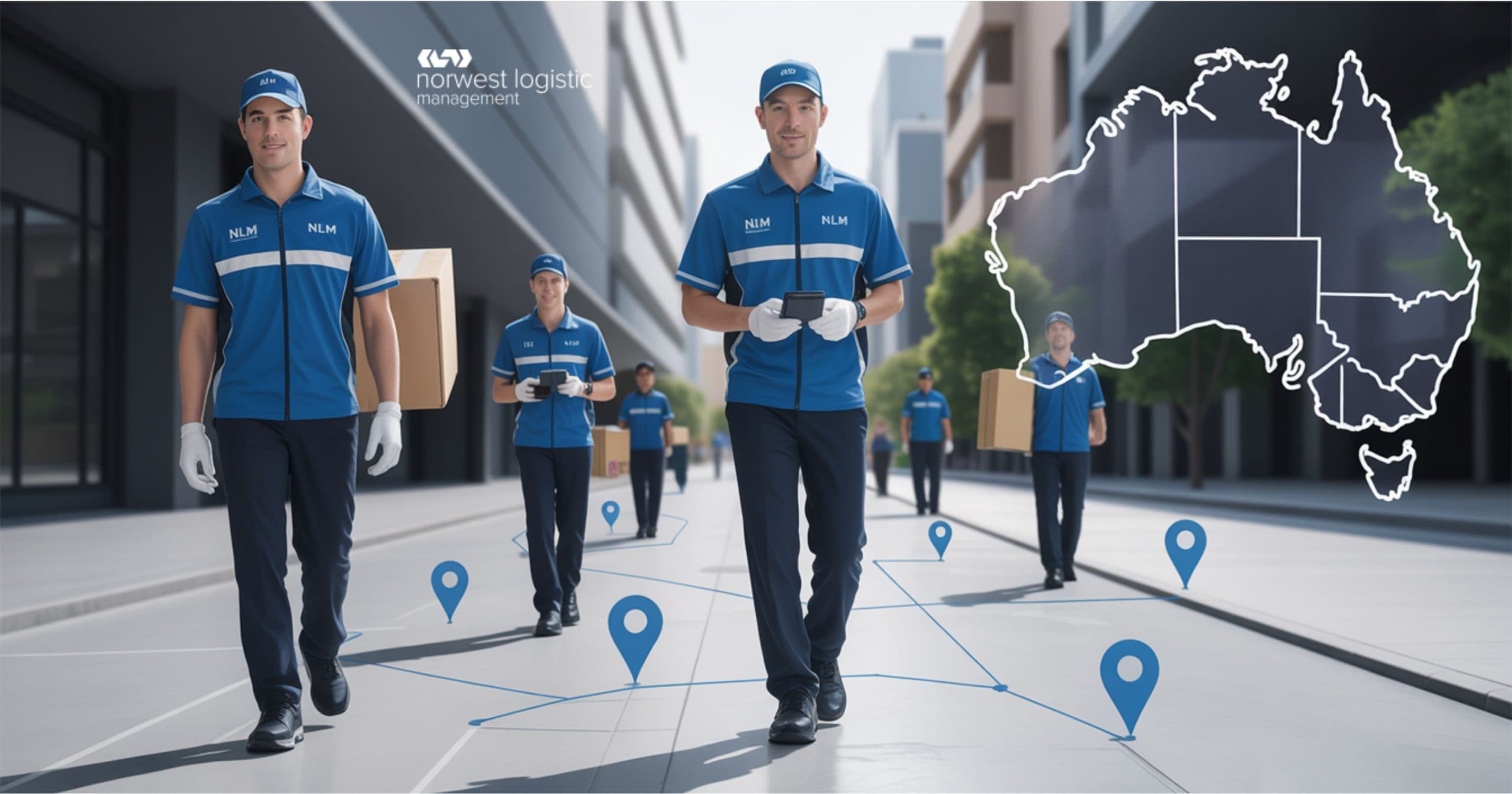
At Norwest Logistic Management, we’re already adapting foot-based delivery into hybrid logistics models.
Our approach combines:
- Traditional transport for bulk movement
- Micro-fulfilment hubs near delivery hotspots
- Foot couriers for ultra-fast last-mile
- Hybrid courier networks for efficiency
- Smart routing systems
This blend ensures businesses achieve:
- Faster metro deliveries
- Lower last-mile costs
- Reduced vehicle usage
- More predictable fulfilment
- Better customer satisfaction
Put simply: foot logistics enhances the entire ecosystem — not just the final step.
When Should a Business Use Foot Logistics?
This model works best when:
- Deliveries are within a 1–3 km radius
- Parcels are small/light
- Customers are in dense metro areas
- Time sensitivity is high
- Sustainability is a priority
- Vehicle access is restricted
Examples:
- Restaurants delivering lunches to nearby offices
- Boutiques completing same-day online orders
- Pharmacies delivering prescriptions
- Retail stores offering “local express delivery”
Challenges to Consider
Of course, foot logistics isn’t perfect.
1. Limited Parcel Size
You can’t deliver bulky freight on foot.
2. Weather Dependency
Rain can slow down couriers — although route planning helps reduce this.
3. Delivery Radius
Works best within walkable distances.
4. Workforce Planning
Higher delivery demand may require more walking couriers.
But even with these limitations, the benefits far outweigh the drawbacks for many businesses.
Key Takeaways
- Foot logistics Australia is growing fast in 2025 due to congestion, sustainability demands, and the rise of micro-fulfilment centers.
- It offers faster last-mile delivery in metro zones because it avoids vehicle delays.
- It’s ideal for retail, food, healthcare, corporate districts, and events.
- Technology — tracking, route optimization, and micro-hubs — has made foot logistics smarter and more predictable.
- It works best as part of a hybrid logistics network, combining walking couriers with vehicle-based transport.
- Businesses partnering with Norwest Logistic Management can leverage foot logistics for faster, greener, more affordable deliveries.
Conclusion
Foot logistics may sound simple — almost too simple in a world filled with drones and automated vehicles. But sometimes the most effective solutions are the ones hiding in plain sight.
In 2025, businesses aren’t embracing foot logistics because it’s trendy. They’re embracing it because it works.
>It’s fast in the places where speed matters most.
>It’s sustainable when sustainability is no longer optional.
>It’s cost-efficient in a landscape where every dollar counts.
And with partners like Norwest Logistic Management integrating foot logistics into broader delivery networks, it’s becoming a realistic, practical option for businesses across Australia.
If you're aiming for faster, smarter, greener last-mile delivery — foot logistics might be exactly the shift your business needs.